Why Delayed Opening Can Become the Biggest Financial Burden
Introduction
When people calculate the cost of opening a restaurant in Canada, they usually focus on visible expenses:
- Lease deposit
- Renovation
- Kitchen equipment
- Furniture
- Permits
- Initial inventory
- Marketing
These costs are important and should be carefully planned.
However, after nearly 20 years of opening and operating restaurants in Greater Vancouver, I have learned that one of the most underestimated costs is something many new restaurant owners do not fully prepare for:
The hidden cost of delay.
A restaurant that is not open cannot generate revenue.
However, even before opening day, expenses continue every month.
The longer the opening is delayed, the greater the financial pressure becomes.
In many cases, a delay of three to five months can create tens of thousands of dollars in additional costs, depending on rent, renovation expenses, financing, and operating commitments.
This is why time itself must be considered a major part of the restaurant startup budget.
The Hidden Cost That Hurts the Most: Delayed Opening
Many new restaurant owners create a budget based on an expected opening date.
They may estimate:
- Renovation: several weeks or months
- Equipment installation: a few weeks
- Permits and approvals: a predictable timeline
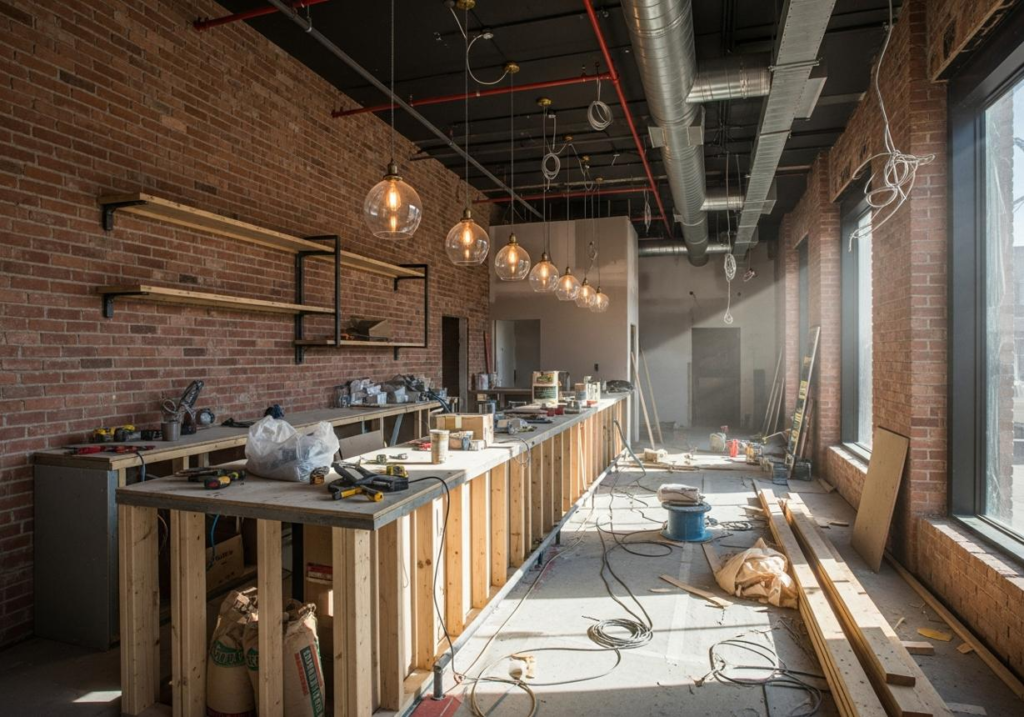
However, restaurant openings often take longer than expected.
Unexpected renovation issues may appear.
Contractors may experience delays.
City permits may take longer than expected.
Health authority approvals may require additional time.
Communication delays between landlords, contractors, tenants, and government departments can also affect the schedule.
During this entire period:
- Rent may continue
- Construction costs may increase
- Financing costs may accumulate
- Other business expenses may begin
But the restaurant is still not generating revenue.
This is where the true hidden cost begins.
Free Rent Periods Are Often Not Enough
When taking over an existing restaurant location, landlords often provide a free rent period, which means a temporary period when the tenant does not pay base rent while preparing the restaurant for opening.
In many cases, landlords provide approximately two months of free rent for renovation and preparation.
At first, this may seem sufficient.
However, in reality, two months is often not enough to complete everything required before opening.
Restaurant preparation may involve:
- Kitchen modifications
- Plumbing and electrical work
- Ventilation adjustments
- Equipment installation
- Interior improvements
- Permits and approvals
Even a carefully planned project can experience unexpected delays.
When the free rent period ends, a difficult situation can occur:
The restaurant is still not open.
There is no sales revenue.
But monthly rent payments begin.
At the same time, renovation expenses may continue increasing.
For example, if a project planned for two months is delayed for several additional months, the owner may face thousands or even tens of thousands of dollars in extra costs before the first customer enters the restaurant.
This creates significant financial pressure before the business has earned its first dollar.
Government Approvals and External Delays
Restaurant owners often underestimate how many different parties are involved before opening.
Depending on the restaurant type and location, the process may require:
- City permits
- Health authority approval
- Fire and safety requirements
- Other regulatory approvals
Each process may have its own timeline.
Unfortunately, delays caused by external parties are often beyond the owner’s direct control.
However, the financial impact still belongs to the business owner.
This is why a realistic restaurant opening budget must include not only construction costs but also enough operating capital to survive unexpected delays.
The Biggest Hidden Cost: Lost Revenue Opportunity
Many people calculate hidden costs by looking only at additional expenses.
But there is another cost that is often overlooked:
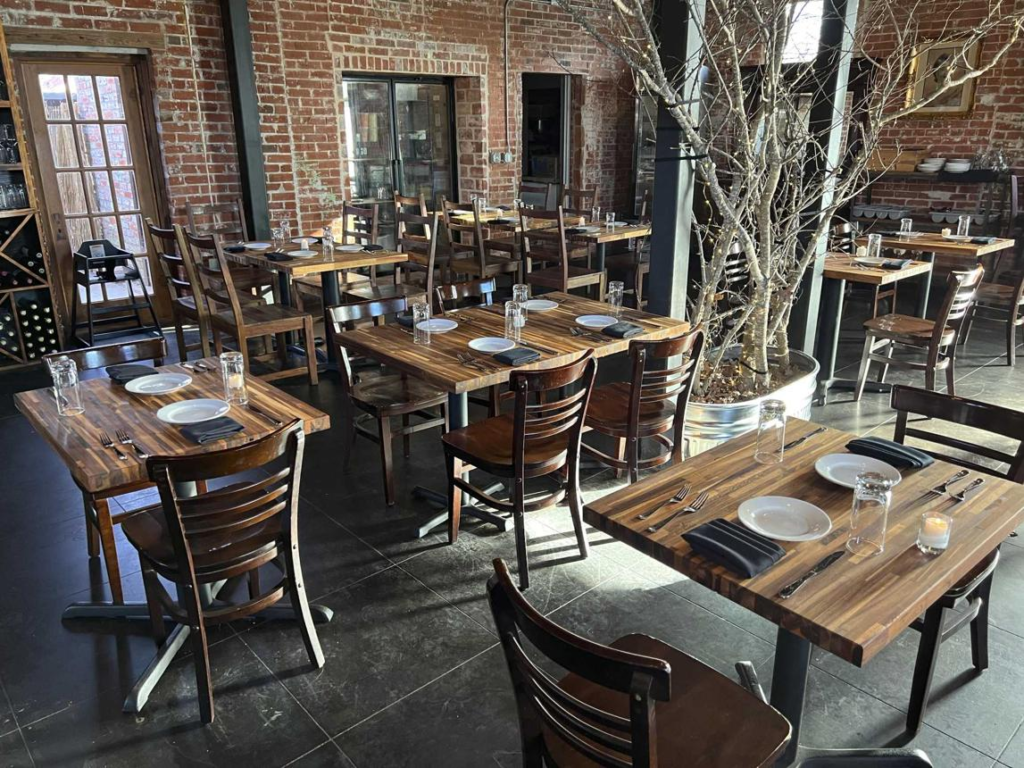
The revenue that the restaurant could have earned if it had opened on time.
A delayed opening creates two financial problems.
1. Money continues going out
Examples:
- Rent
- Additional construction costs
- Professional fees
- Financing costs
2. Money does not come in
Examples:
- Lost sales opportunities
- Delayed customer building
- Missed seasonal opportunities
- Delayed marketing impact
The true cost of delay is not only the money you spend.
It is also the revenue you never receive.
How to Prepare for Hidden Delay Costs
Based on my experience, restaurant owners should prepare beyond the minimum opening budget.
1. Create a realistic timeline
Do not plan based only on the best-case scenario.
Expect possible delays.
A realistic timeline reduces financial surprises.
2. Prepare additional operating capital
Having enough cash reserves can determine whether a restaurant survives the opening process.
Many businesses fail not because the concept is bad, but because they run out of money before they can properly begin operations.
3. Understand responsibilities before signing a lease
Before committing to a location, clearly understand:
- Who is responsible for each part of the work?
- What permits are required?
- What factors could delay opening?
Clear communication can prevent many unexpected problems.
4. Learn from experienced operators
First-time restaurant owners often focus mainly on visible costs:
- Construction
- Equipment
- Furniture
Experienced operators understand something different:
Time itself has a cost.
Every additional week before opening creates additional financial pressure.
Final Thoughts
Opening a restaurant in Canada requires more than calculating renovation costs and equipment expenses.
One of the biggest hidden costs is often the time between the planned opening date and the actual opening date.
A restaurant that is not operating cannot create sales, but expenses continue every day.
After nearly 20 years of opening restaurants in Greater Vancouver, one of the most important lessons I have learned is:
Always budget for time, because time has a cost.
A successful restaurant requires:
- A clear understanding of customers
- The right location
- Careful financial planning
- Enough patience and capital to overcome unexpected delays
The opening process is not just about building a restaurant.
It is about having enough preparation and financial strength to survive until the day your doors finally open.
FAQ
What is the biggest hidden cost when opening a restaurant?
For many restaurant owners, the biggest hidden cost is delay. A late opening creates additional expenses while preventing revenue from starting.
Is a two-month free rent period enough for restaurant renovation?
In many cases, it may not be enough. Renovation, permits, approvals, and unexpected issues can extend the opening timeline.
Why do many restaurant owners underestimate opening delays?
Many first-time owners focus only on construction costs and equipment expenses. They often underestimate the financial impact of paying expenses while waiting for the restaurant to generate revenue.
How much extra money should a restaurant owner prepare?
There is no universal amount. However, owners should prepare enough operating capital to handle unexpected delays and additional expenses before opening.
About the Author
This article is based on nearly 20 years of firsthand experience opening and operating restaurants in Greater Vancouver, British Columbia.
Through successful openings and challenging situations, I learned that restaurant success requires more than a good concept and investment.
It requires understanding customers, choosing the right location, managing costs carefully, and preparing for unexpected challenges.
My goal is to share these experiences to help future restaurant owners make better decisions before investing their time, money, and energy.