Restaurant Business Success Series | Blog #3
Why Delayed Opening Can Become the Biggest Financial Burden
Introduction
(The Hidden Costs of Opening a Restaurant)
When people calculate the cost of opening a restaurant in Canada, they usually focus on visible expenses:
- Lease deposit
- Renovation
- Kitchen equipment
- Furniture
- Permits
- Initial inventory
- Marketing
These costs are important and should be carefully planned.
However, after nearly 20 years of opening and operating restaurants in Greater Vancouver, I have learned that one of the most underestimated costs is something many new restaurant owners do not fully prepare for:
The hidden cost of delay.
A restaurant that is not open cannot generate revenue. But even before opening day, expenses continue.
The longer the opening is delayed, the greater the financial pressure becomes.
This is why time itself must be considered an important part of a restaurant startup budget.
The Hidden Cost That Hurts the Most: Delayed Opening
Many new restaurant owners create a budget based on an expected opening date.
They estimate how long renovation, equipment installation, permits, inspections, and other preparations should take.
On paper, the schedule may look reasonable.
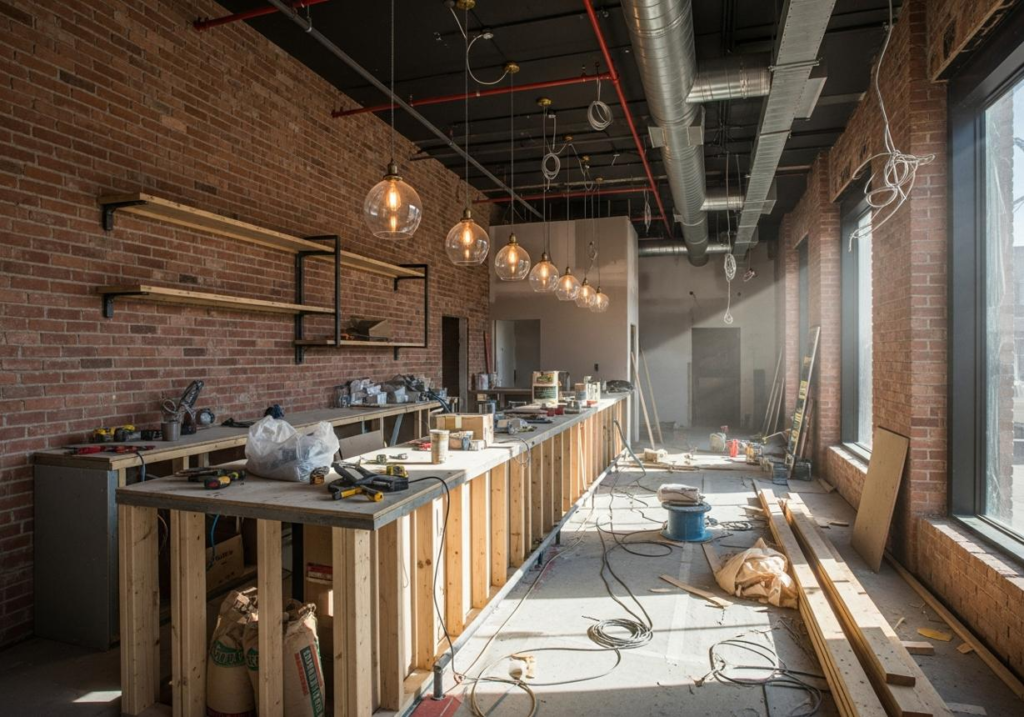
In reality, restaurant openings often take longer than expected.
Renovation problems can appear. Contractors can fall behind schedule. Equipment may arrive late. Permits or inspections may take longer than planned. Communication between landlords, contractors, tenants, and government departments can also slow the process.
During this entire period, money may continue going out while no sales are coming in.
That difference can become financially dangerous very quickly.
This is something I came to understand through experience rather than theory.
Free Rent Periods Are Often Not Enough
When taking over a restaurant location, a landlord may provide a free-rent period to allow time for renovation and preparation.
At first, this can look like enough time.
But restaurant preparation can involve much more than simply changing the interior.
Depending on the location, the work may include kitchen modifications, plumbing, electrical work, ventilation, equipment installation, inspections, permits, and other approvals.
Even a carefully planned project can experience unexpected delays.
A Lesson I Learned from an Actual Restaurant Opening
In one of my restaurant openings in Greater Vancouver, I learned that the free-rent period should never be treated as a guaranteed preparation window.
Renovation, permits, inspections, equipment installation, and communication with different parties did not always move according to my original schedule.
The important problem was that once the free-rent period ended, the rent did not wait for the restaurant to open.
Expenses could begin while the restaurant was still producing no sales.
That experience changed the way I looked at restaurant startup costs.
Instead of asking only:
How much will renovation and equipment cost?
I learned to ask another question:
How much will it cost if the opening is delayed?
That became one of the most important lessons in my restaurant planning:
Budget not only for construction, but also for time.
Government Approvals and External Delays
Another lesson I learned is that restaurant owners do not control the entire opening process.
Earlier in my restaurant career, it was easy to assume that if I completed my part of the work on time, the restaurant would open on time.
In reality, opening a restaurant involves many different parties.
Depending on the restaurant and location, these may include contractors, landlords, inspectors, health authorities, equipment suppliers, and government departments.
Each party works according to its own schedule.
The restaurant owner may not be responsible for every delay, but ultimately the financial consequences still affect the business.
This changed the way I approached new restaurant projects.
A realistic opening budget should not be based only on the best-case timeline. It should include enough financial room to survive unexpected delays.
The Biggest Hidden Cost: Lost Revenue Opportunity
Many people calculate the cost of a delay by looking only at additional expenses.
For example:
- Rent
- Additional construction costs
- Professional fees
- Financing costs
But there is another cost that is much easier to overlook:
The revenue that the restaurant could have earned if it had opened on time.
A delayed opening creates two financial problems at the same time.
1. Money continues going out
The business may continue paying rent, construction expenses, financing costs, professional fees, and other startup expenses.
2. Money does not come in
At the same time, the restaurant loses potential sales.
It may also lose the opportunity to begin building a customer base, generate word-of-mouth, establish local awareness, and benefit from an important seasonal period.
This is why the true cost of delay is not only the money you spend.
It is also the revenue you never receive.
For a new restaurant with limited capital, that combination can create serious financial pressure before the business has even had a fair chance to operate.
How to Prepare for Hidden Delay Costs
Based on my experience, restaurant owners should prepare beyond the minimum opening budget.
1. Create a realistic timeline
Do not build your entire financial plan around the best-case opening date.
Allow room for delays.
A project that appears to require two months may take longer because several different processes must come together before the doors can open.
A realistic timeline reduces financial surprises.
2. Prepare additional operating capital
Having enough cash available during the opening process can determine whether a restaurant begins operations in a financially stable position.
A good concept does not automatically protect a business from cash-flow problems.
If too much money is spent before opening, the restaurant may begin operating under financial pressure from its first day.
3. Understand responsibilities before signing a lease
Before committing to a location, understand clearly:
- Who is responsible for each part of the work?
- What permits and approvals are required?
- What work must the landlord complete?
- What work is the tenant responsible for?
- What factors could delay opening?
These questions may not be as exciting as menu development or restaurant design, but they can have a much greater financial impact.
4. Learn from experienced operators
First-time restaurant owners naturally focus on visible costs such as construction, equipment, and furniture.
Experience teaches you to look at something else:
Time itself has a cost.
Every additional week before opening can create additional financial pressure.
That is why I now consider the opening timeline part of the restaurant budget itself.
Final Thoughts
Opening a restaurant in Canada requires more than calculating renovation and equipment expenses.
One of the biggest hidden costs can be the time between the planned opening date and the actual opening date.
A restaurant that is not operating cannot create sales, but expenses may continue every day.
After nearly 20 years of opening and operating restaurants in Greater Vancouver, one of the most important lessons I have learned is:
Always budget for time, because time has a cost.
Successful restaurant planning requires understanding your customers, choosing the right location, controlling startup expenses, and having enough financial strength to handle unexpected delays.
The opening process is not simply about finishing construction.
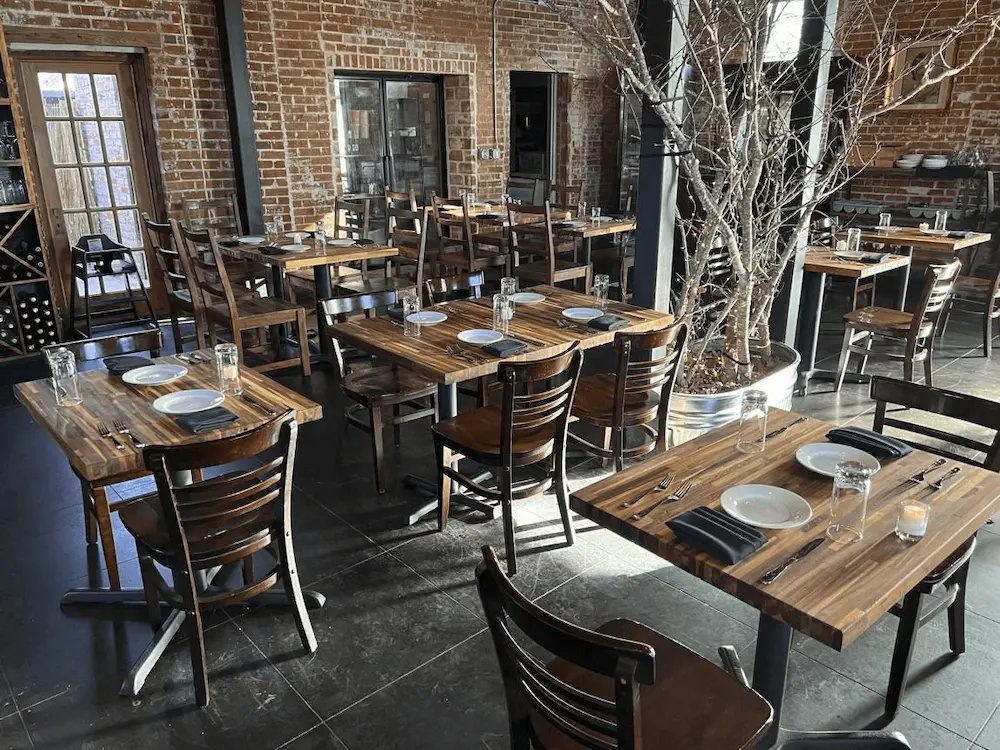
It is about making sure the business is financially prepared to survive until the doors finally open.
FAQ
What is the biggest hidden cost when opening a restaurant?
For many restaurant owners, the biggest hidden cost is delay. A late opening creates additional expenses while preventing revenue from starting.
Is a two-month free rent period enough for restaurant renovation?
In many cases, it may not be enough. Renovation, permits, approvals, and unexpected issues can extend the opening timeline.
Why do many restaurant owners underestimate opening delays?
Many first-time owners focus only on construction costs and equipment expenses. They often underestimate the financial impact of paying expenses while waiting for the restaurant to generate revenue.
How much extra money should a restaurant owner prepare?
There is no universal amount. However, owners should prepare enough operating capital to handle unexpected delays and additional expenses before opening.
About the Author
The author has spent nearly 20 years opening and operating independent restaurants in Greater Vancouver, Canada. Rather than sharing theory, this blog series is based on real-world experience—successful openings, costly mistakes, operational improvements, and practical systems that help small restaurants achieve long-term success.