Restaurant Business Success Series | Blog #4
Introduction
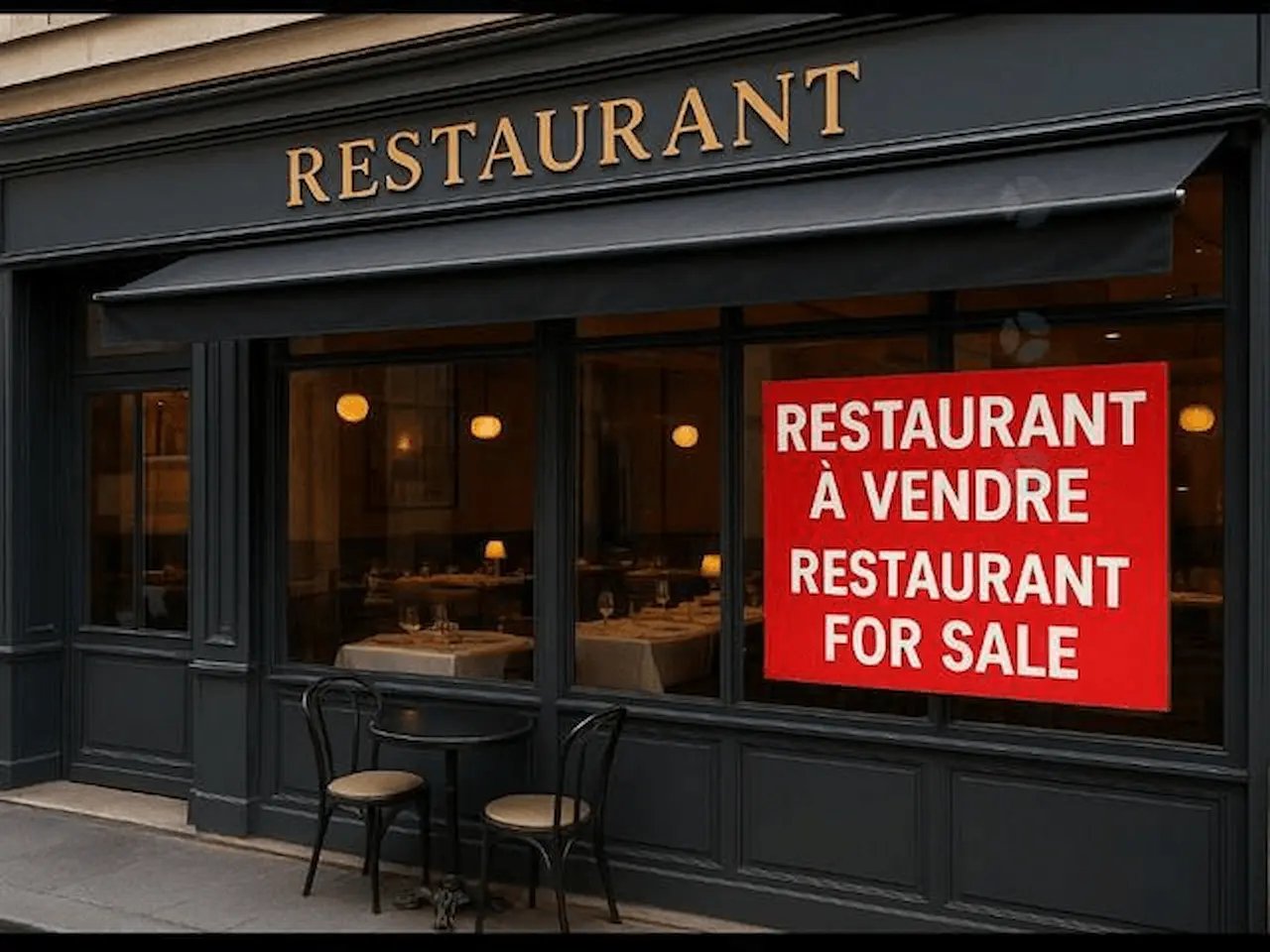
One of the first major decisions for anyone planning to open a restaurant in Canada is whether to buy an existing restaurant or lease an empty commercial space and build from scratch.
Both options can succeed. However, after nearly 20 years of opening and operating restaurants in Greater Vancouver, I believe the decision should begin with something more important than appearance, equipment, or purchase price.
Which option gives you the best opportunity to reach your target customers while minimizing unnecessary financial risk?
For many first-time owners, I recommend carefully considering an existing restaurant. It may offer usable infrastructure, a shorter opening timeline, and lower construction risk.
But buying an existing restaurant is not automatically safer. A poor location, unsuitable lease, expensive repairs, or a mismatch with target customers can turn an apparently inexpensive purchase into a costly mistake.
The key is to evaluate the entire business opportunity—not simply how much it costs to acquire the space.
1. Buying an Existing Restaurant: What Are You Really Buying?
An existing restaurant may already have commercial kitchen equipment, ventilation, plumbing, electrical capacity, storage, and a functional restaurant layout.
Buyers often focus on visible items such as refrigerators, stoves, counters, and furniture. In my experience, the less visible infrastructure can be just as valuable.
Installing ventilation, upgrading electrical systems, and preparing an empty commercial unit for restaurant use can require significant time, money, and coordination.
An older restaurant with usable infrastructure may therefore offer better value than a beautiful empty space.
However, that value depends on whether the existing facilities are suitable for your intended operation.
Evaluate the Complete Investment
A low purchase price does not necessarily mean a good deal.
Before buying, investigate the location, target customers, lease terms, equipment condition, renovation requirements, sales history, and reason for selling.
Ask whether the kitchen layout supports your menu and whether existing ventilation, plumbing, and electrical systems can accommodate the equipment you intend to use.
Review financial records rather than relying only on the seller’s description of the business.
Most importantly, verify the remaining lease term, renewal conditions, assignment requirements, and any significant restrictions.
The landlord’s reputation also matters. Speaking with other tenants can help you understand how reasonably the landlord or management agent responds to maintenance issues and business concerns.
The right question is not whether a restaurant is cheap. It is whether the location and existing infrastructure justify the total investment.
Time Before Opening Has a Cost
Another potential advantage of buying an existing restaurant is a shorter opening process.
While a restaurant is being prepared, expenses may already be accumulating: rent, insurance, financing, equipment repairs, and professional fees.
Yet the business cannot generate normal sales until it opens.
This is why I consider time an important part of restaurant startup costs.
An existing restaurant may reduce the amount of construction required and allow an owner to begin operating sooner.
However, existing premises do not guarantee immediate approval. A new menu concept, major equipment changes, or renovations may still require permits, inspections, and other authorizations.
Before committing to a purchase, confirm the feasibility of your intended operation with the relevant authorities.
Saving construction time is valuable only when the restaurant can legally and practically operate as planned.
2. A Personal Lesson: Success Does Not Automatically Transfer
One of my most important lessons came after the success of my first restaurant.
The menu matched the customers, the location was suitable, and the business performed well. That success gave me confidence.
Later, I opened another restaurant with a similar menu, believing the concept would work again.
Unfortunately, I did not evaluate the new location and its customers as carefully as I should have.
The customer base was different, and the same menu did not produce the same results. Eventually, I sold the second restaurant at a disappointing price.
That experience changed how I approach restaurant opportunities.
I learned that a successful menu does not guarantee success in another location. More importantly, previous success can sometimes make an owner less cautious.
Today, I begin with the customers.
Who are they? What do they want to eat? What can they comfortably afford? Does the location fit their daily routines?
Only after answering those questions do I evaluate the premises, equipment, and investment.
A restaurant should be selected for the customers it can serve—not simply because its facilities or price appear attractive.
This lesson applies whether you are buying an existing business or building a new one.
3. Good Restaurant Opportunities: Do Not Always Look Perfect
A restaurant being offered for sale is not necessarily a bad business opportunity.
Owners sell for many reasons, including retirement, family circumstances, financial pressure, or changing priorities.
A business that struggled under one operator may have potential under another owner with a different menu or operating system.
But potential must be supported by research.
I would investigate why the business is being sold, whether the location suits my target customers, and what additional investment would be required.
A restaurant with outdated décor may be worth considering if its infrastructure is sound, its lease is reasonable, and its location offers strong customer potential.
On the other hand, an attractive restaurant with unsuitable customers or an unstable lease may be a poor investment.
The best buyers are not necessarily those who make the fastest decisions.
Good research should help you recognize an opportunity—and give you the confidence to walk away when the risks are too great.
4. Starting From Scratch: Greater Freedom, Greater Responsibility
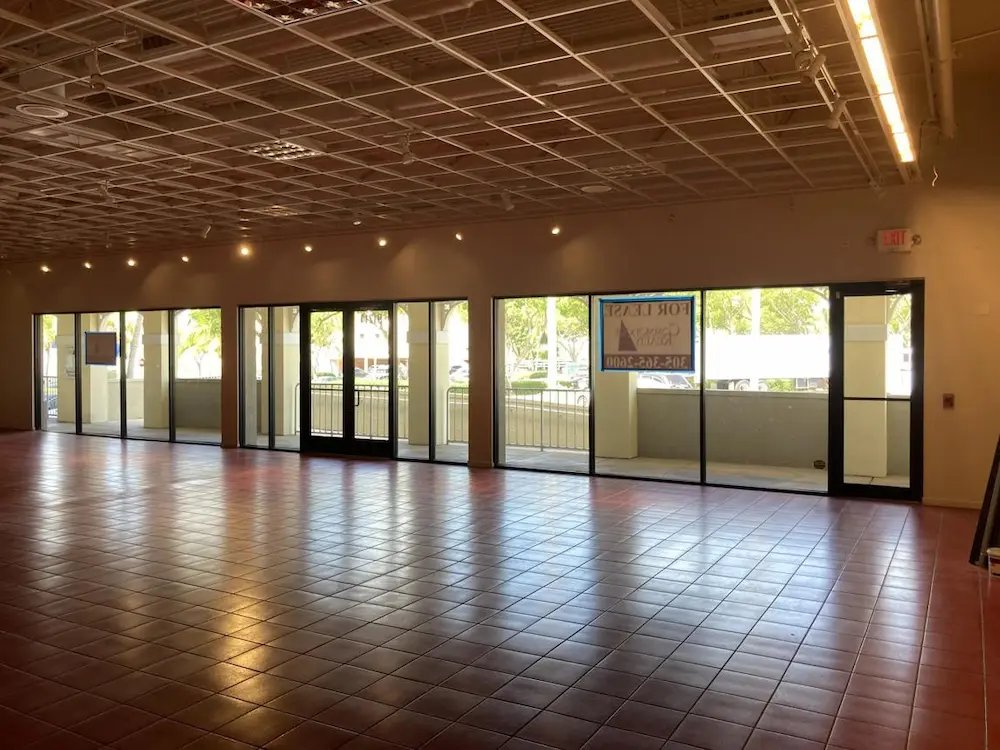
Leasing an empty commercial space and building a restaurant from the beginning offers one major advantage: freedom.
You can design the kitchen, equipment placement, storage, customer flow, and dining environment around your own concept.
For an experienced operator, this can improve workflow and productivity.
However, developing a restaurant from an empty unit may involve design, construction, ventilation, plumbing, electrical work, equipment installation, permits, inspections, and coordination with the landlord.
These stages are interconnected. A delay in one area can affect the entire opening schedule.
From my experience in Greater Vancouver, restaurant development can take longer than first-time owners anticipate.
The greatest danger is not only construction expense. It is that the business may continue consuming capital before earning its first dollar.
When Building From Scratch Makes Sense
Starting from scratch can be a reasonable choice when an owner has substantial operating experience, sufficient capital, and a concept requiring a specialized kitchen or layout.
It may also be appropriate when no suitable existing restaurant is available in the desired location.
Experienced operators understand how employees move during busy periods, which equipment is essential, and what design features improve productivity.
That knowledge can make a purpose-built restaurant a worthwhile investment.
For beginners, however, mistakes in layout, equipment selection, permits, or budgeting can become expensive before opening day.
5. My Recommendation for First-Time Restaurant Owners
For most first-time owners, I would generally recommend buying a carefully selected existing restaurant rather than building completely from scratch.
This does not mean an existing restaurant is always cheaper or better.
A new owner already faces a steep learning curve involving customers, menu development, pricing, hiring, food costs, service, and daily operations.
Adding a complicated construction project can increase that burden.
An existing restaurant may allow the owner to concentrate more resources on developing the business rather than constructing the premises.
I would also encourage first-time owners not to become overly attached to creating their dream restaurant immediately.
Beautiful interiors and expensive equipment do not guarantee repeat customers.
Customers return when the menu meets their needs, the food is consistent, the prices make sense, and the service is welcoming.
Your first restaurant can teach you valuable lessons about actual customer demand, kitchen workflow, staffing, and peak sales periods.
Those lessons may help you design a better restaurant in the future.
Do not try to build your dream restaurant first. Build your first successful restaurant.
6. A Practical Checklist Before You Decide
Whether you are buying an existing restaurant or building from scratch, answer these questions before making a major financial commitment.
| Evaluation area | Questions to ask |
|---|---|
| Target customers | Are the right customers already present in this location? |
| Menu and pricing | Does the concept match their preferences and spending habits? |
| Lease and landlord | Are the lease terms secure, and is the landlord’s reputation acceptable? |
| Infrastructure | Can the kitchen, ventilation, plumbing, and electrical systems support the operation? |
| Financial evidence | Are the seller’s sales claims verifiable, where applicable? |
| Approvals | Can the intended operation obtain the necessary permits and approvals? |
| Total investment | Have purchase, renovation, construction, and opening costs been considered? |
| Working capital | Can the business withstand delays and slower-than-expected sales? |
For an existing restaurant, also investigate the seller’s reason for leaving and the condition of the equipment.
For a new build, carefully assess construction complexity, contractor coordination, and the realistic opening schedule.
Do not spend all available capital on acquiring or developing the restaurant. Retain enough financial flexibility to handle unexpected problems.
If several important questions remain unanswered, slow down.
The purpose of due diligence is not simply to justify an investment. It is to determine whether the investment deserves to be made.
Final Thoughts
Buying an existing restaurant and starting from scratch can both lead to successful businesses.
The better choice depends on your experience, capital, concept, location, and customers.
For first-time owners, a suitable existing restaurant may provide a more practical starting point by reducing construction requirements and allowing greater attention to daily operations.
For experienced operators with sufficient resources, building from scratch may offer meaningful operational advantages.
Whichever path you choose, remember four principles:
- Understand your customers. Your concept must fit the people you intend to serve.
- Choose the right location. Attractive facilities cannot compensate for insufficient customer demand.
- Protect your capital. Consider the total investment, opening delays, and working capital—not only the initial price.
- Make decisions through research. An attractive opportunity should remain attractive after careful investigation.
Nearly 20 years in the restaurant business have taught me that success rarely comes from spending the most money.
It comes from making better decisions with the resources available.
Do not build the most impressive restaurant you can afford. Build the restaurant that gives you the best chance to succeed.
FAQ
Is buying an existing restaurant better for a first-time owner?
It can be, particularly when the location, lease, and infrastructure are suitable. However, a thorough evaluation is essential because existing restaurants can also carry significant risks.
Is starting from scratch always more expensive?
Not necessarily. Costs depend on the property, construction requirements, equipment, and lease terms. A new build may be justified when an existing space would require extensive changes.
How much working capital should I retain?
There is no universal amount. Estimate your operating expenses, potential delays, and realistic sales scenarios before deciding how much capital to reserve.
About the Author
The author has spent nearly 20 years opening and operating independent restaurants in Greater Vancouver, Canada. Rather than sharing theory, this blog series is based on real-world experience—successful openings, costly mistakes, operational improvements, and practical systems that help small restaurants achieve long-term success.
My Restaurant Startup Principle
Successful restaurants are not built by spending more money.
They are built by making better decisions.
That principle has guided many of my successful decisions—and has also been reinforced by some of my most expensive mistakes.