Restaurant Business Success Series | Blog #13
Introduction
(How to Reduce Restaurant Food Costs)
In my previous articles, I discussed the importance of hiring great employees and building a team that shares the same values.
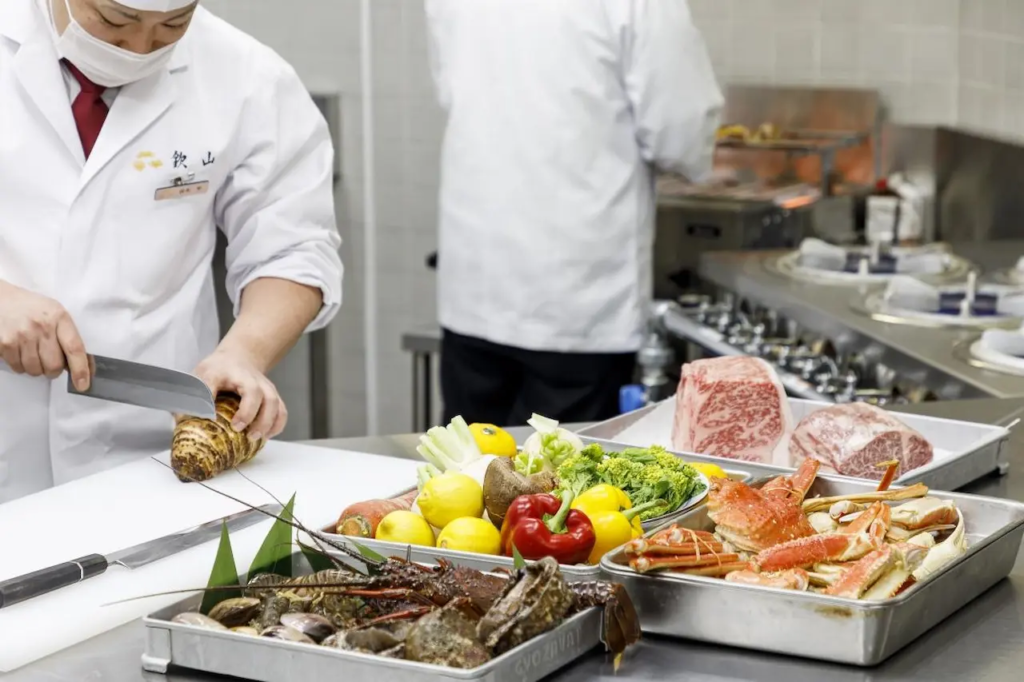
However, even the best employees cannot create a successful restaurant without one more essential element: great ingredients.
After nearly twenty years of opening and operating restaurants in Greater Vancouver, I have learned that one of the biggest challenges every restaurant owner faces is controlling costs while maintaining quality.
Almost every owner eventually asks the same question:
“How can I reduce food costs without sacrificing quality?”
It is an important question.
But after years of experience, I have come to believe that many restaurant owners are asking the wrong question.
Instead of focusing only on reducing food costs, we should also ask:
“How can we create food that customers are excited to come back for?”
That simple shift in thinking changes the way a restaurant grows.
Understanding Restaurant Costs
Every restaurant has two types of operating costs.
Some costs are relatively fixed, while others change depending on business volume.
Typical restaurant expenses include:
- Food ingredients
- Packaging and disposable supplies
- Labor
- Rent
- Utilities
- Insurance
- Marketing
- Credit card processing fees
- Repairs and maintenance
- Taxes
Many of these expenses—such as rent, insurance, utilities, and taxes—are difficult to reduce significantly.
Labor costs can be managed through efficient scheduling, but there is a limit before customer service begins to suffer.
As a result, the area where restaurant owners usually focus their attention is food cost.
The Two Most Common Ways to Reduce Food Cost
Most restaurant owners rely on two practical methods.
Build Strong Relationships with Suppliers
The first approach is reducing purchasing costs.
Developing long-term relationships with reliable suppliers often leads to better pricing, consistent quality, and dependable service.
Buying larger quantities and negotiating favorable terms can certainly lower food costs.
These are smart business practices.
However, there is always a limit.
Eventually, prices cannot be pushed lower without affecting ingredient quality.
Reduce Food Waste
The second approach is improving inventory management.
Restaurants lose money every day through unnecessary waste, including:
- Over-ordering
- Poor storage
- Expired ingredients
- Preparation mistakes
- Oversized portions
Reducing waste improves profitability without affecting the customer experience.
This is where employee training becomes extremely important.
When every team member understands that every ingredient represents value, waste naturally decreases.
Proper inventory control, consistent portion sizes, and careful stock rotation all contribute to healthier food costs.
Even so, no restaurant can eliminate waste completely.
The Hidden Danger of Chasing Lower Food Costs
The real problem begins after these savings have already been achieved.
Many restaurant owners continue searching for ways to reduce costs.
Eventually, the easiest solution becomes replacing quality ingredients with cheaper alternatives.
A slightly lower-grade cut of meat.
A less expensive cooking oil.
Lower-quality sauces or seasonings.
Each decision appears minor.
Together, however, they gradually change the taste customers have come to expect.
Customers may not know exactly what changed.
But they notice.
Once consistency disappears, customer trust slowly begins to disappear as well.
Customers Remember Quality More Than Price
Many restaurant owners believe customers care most about low prices.
My experience has taught me something different.
Customers rarely recommend a restaurant because it is the cheapest.
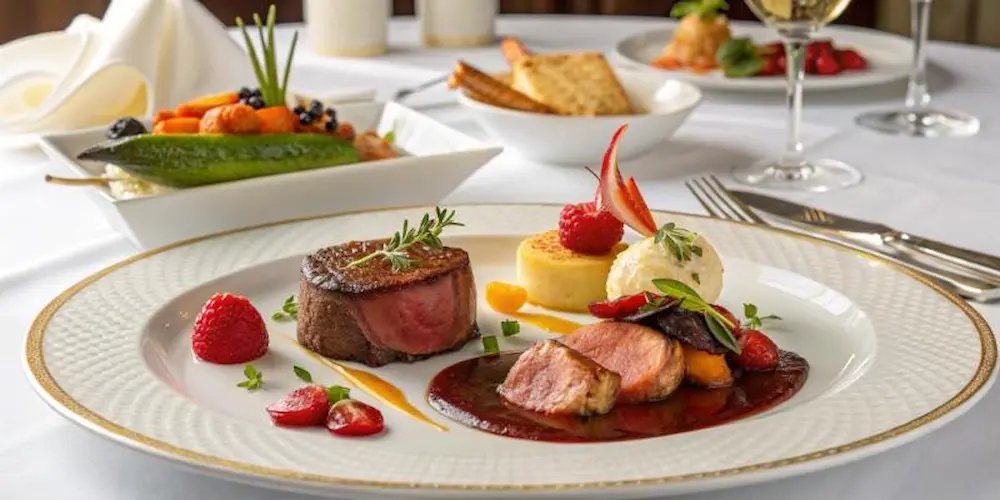
They recommend restaurants because the food is memorable.
Think about the last restaurant you recommended to a friend.
Was it because it had the lowest prices?
Or was it because the food was outstanding?
Successful restaurants build loyal customers by creating memorable dining experiences—not by winning price wars.
That is why I believe reducing food costs should never come at the expense of food quality.
A Lesson From My Own Restaurant
Throughout the years of operating my restaurants, I often faced the same challenge that every restaurant owner eventually encounters.
Food prices continued to rise, while competition became stronger.
Like many owners, I could have reduced costs by switching to cheaper ingredients.
Instead, I chose a different path.
We continued using the quality ingredients our customers had come to trust and enjoy.
Yes, our food cost was sometimes higher than that of nearby competitors.
However, I believed that protecting the quality of our food was a better long-term investment than saving a few dollars on ingredients.
The results confirmed that decision.
Our regular customers kept coming back because the taste remained consistent.
Many introduced our restaurant to their friends, family, and coworkers.
Those personal recommendations brought new customers without increasing our advertising budget.
That experience taught me one of the most valuable lessons of my restaurant career:
Excellent food is not an expense. It is an investment in the future of the business.
Why Food Quality Creates Better Profits
Many restaurant owners believe profitability comes mainly from reducing costs.
Cost control is certainly important.
Every restaurant should negotiate with suppliers, reduce waste, and train employees to handle ingredients carefully.
Those practices improve efficiency and should never be ignored.
However, they all have natural limits.
Once those limits are reached, reducing food costs usually means reducing quality.
That is where I believe many restaurants make their biggest mistake.
Customers may not know which supplier you use.
They may not recognize a different cooking oil or a lower-grade ingredient.
But they immediately notice when the overall taste and dining experience begin to change.
Consistency builds trust.
Trust creates loyal customers.
And loyal customers become the foundation of long-term profitability.
Customers Pay for Value, Not Simply Low Prices
One misconception in the restaurant industry is that customers always choose the cheapest option.
My experience has been very different.
Most customers are looking for value.
If they believe your food is worth the price, they are usually willing to pay a little more.
Competing only on price is difficult because there will always be another restaurant willing to charge less.
Competing on food quality is different.
A reputation for excellent food is much harder to copy.
It becomes one of the strongest competitive advantages a restaurant can have.
When customers trust your food, they return more often, recommend your restaurant to others, and leave positive online reviews.
That creates sustainable growth that discounts alone can never achieve.
The Better Question
Many restaurant owners ask,
“How can I reduce my food cost?”
After nearly twenty years in the restaurant business, I believe there is a better question.
“How can I create food that customers are excited to come back for?”
When the answer to that question improves, many other business challenges become easier.
- Repeat customers increase.
- Word-of-mouth referrals grow.
- Online reviews improve.
- Sales become stronger.
The goal is not simply to spend less.
The goal is to create greater value for every customer who walks through your door.
Final Thoughts
Food cost management will always be an important part of running a successful restaurant.
Purchasing wisely, reducing waste, and improving operational efficiency should remain priorities.
However, those efforts alone will not build a great restaurant.
Great restaurants are remembered because they consistently serve outstanding food.
After nearly twenty years of opening and operating restaurants in Greater Vancouver, I have reached one clear conclusion:
Reducing food costs has limits.
Improving food quality does not.
That is why I would rather invest in better ingredients than sacrifice quality to save a few dollars.
In the long run, customers do not remember how much you saved on food costs.
They remember how your food made them feel.
And when they return—and bring others with them—that is when a restaurant achieves lasting success.
Food cost control protects today’s profit. Food quality builds tomorrow’s business.
Key Takeaways
- Build long-term relationships with reliable suppliers, but never sacrifice ingredient quality simply to lower costs.
- Reducing food waste is one of the most effective ways to improve profitability without affecting customer satisfaction.
- Consistent food quality creates trust, repeat customers, and positive word-of-mouth.
- Customers are willing to pay for value, not just low prices.
- Excellent food is not an expense—it is an investment in your restaurant’s future.
- Food cost control protects today’s profit. Food quality builds tomorrow’s business.
About the Author
The author has spent nearly 20 years opening and operating independent restaurants in Greater Vancouver, Canada. Rather than sharing theory, this blog series is based on real-world experience—successful openings, costly mistakes, operational improvements, and practical systems that help small restaurants achieve long-term success.