Restaurant Business Success Series | Blog #19
Why Experience Should Never Replace Systems and Standards
Introduction
After nearly 20 years of operating restaurants in Greater Vancouver, I have learned that quality control involves much more than checking whether food tastes good.
It includes portion sizes, presentation, serving temperature, preparation, cleanliness, service, and the overall customer experience.
The central question is simple:
Are customers receiving the same standard today that they received yesterday?
Preparing an excellent meal once is not especially difficult for a skilled cook. Delivering that same quality consistently, through different employees, shifts, and busy periods, is a greater challenge.
That is why quality control must become part of a restaurant’s daily operating system.
Customers Remember Inconsistency
Customers do not judge a restaurant only by its best day. They judge it by what they can reasonably expect when they return.
Imagine a customer enjoying a generous, well-prepared meal with friendly service.
A week later, the customer returns expecting the same experience. This time, however, the portion is smaller, the taste is different, or the service is less attentive.
The second meal may not be terrible, but the difference creates uncertainty.
Over time, uncertainty weakens customer confidence.
Consistency is not simply an operating standard. It is a promise to the customer.
Customers who know what to expect are more comfortable returning and recommending the restaurant to others.
Experience Alone Cannot Guarantee Consistency
Experienced cooks are valuable, but experience does not automatically produce identical results.
Two skilled employees may prepare the same dish differently.
One might use more sauce. Another may serve a larger portion or cook an ingredient longer.
Neither employee necessarily believes anything is wrong. They may simply be following their personal habits.
However, customers experience these differences as changes in the restaurant’s quality.
This is why I believe the restaurant’s standard must determine how food is prepared.
Individual skills and judgment remain important, but personal preferences should not override an established recipe without an approved change.
Customers should receive the restaurant’s standard—not a different version depending on who is cooking.
Standard Recipes Must Be Followed, Not Just Written
In Blog #15, I explained the importance of standard recipes for consistent taste, food costs, and customer loyalty.
But writing a recipe does not guarantee that employees will follow it indefinitely.
I have seen how small changes can develop during daily operations.
An employee adds a little extra sauce. Another uses a larger scoop. Someone adjusts cooking time based on personal preference.
Individually, these changes may seem insignificant.
Repeated hundreds of times, however, they can affect food quality, portion consistency, and ingredient costs.
For this reason, standard recipes should clearly identify ingredient quantities, preparation methods, cooking procedures, and serving portions.
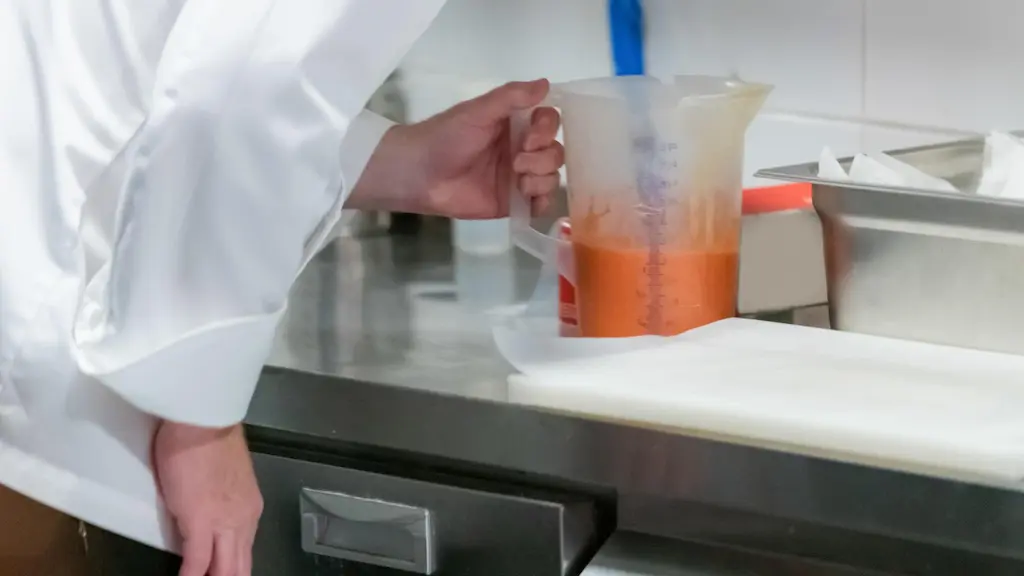
Accurate measuring tools are also essential.
A designated scoop, ladle, scale, or measuring container can help employees maintain the intended quantity.
Training establishes the standard. Regular checks confirm whether employees are maintaining it.
A recipe defines the standard. Quality control verifies that the standard is being followed.
Owners Must Observe the Restaurant as Customers Experience It
Restaurant owners manage schedules, suppliers, invoices, equipment, and operating expenses.
These responsibilities are important, but they should not prevent owners from observing what happens during actual service.
I learned that some of the most valuable information comes from watching the restaurant directly.
Are portions accurate? Does the finished dish look right? Is the food served at the appropriate temperature?
Are employees greeting customers properly? Is the dining area clean? Are orders taking longer than usual?
Financial reports cannot answer all these questions.
Owners should periodically examine finished dishes, taste key menu items, observe different shifts, and listen to employees and customers.
I also believe it is useful to occasionally view the business through a customer’s eyes.
Owners see their restaurants every day and can become accustomed to problems that customers notice immediately.
Feedback from trusted people can reveal details that management has overlooked.
You cannot improve a problem you no longer notice.
Correct Small Problems Before They Become Habits
Serious quality problems often begin with small deviations.
A portion gradually becomes larger. A preparation shortcut becomes routine. Cleaning is repeatedly postponed during busy periods.
At first, these changes may appear harmless.
But when deviations continue without correction, employees may begin treating them as the new standard.
I learned that addressing small problems early is easier than rebuilding operating procedures after months of inconsistency.
Correction should not involve anger or embarrassing employees.
Instead, explain what the standard requires, why it matters, and how the team can maintain it.
Sometimes the problem is not an employee’s attitude.
The recipe may be unclear, measuring equipment may be unsuitable, training may be incomplete, or the workstation may be poorly organized.
A better management question is:
“Why did our system allow this problem, and how can we prevent it from happening again?”
Quality control should identify causes, not simply assign blame.
Do Not Wait for Customer Complaints
One of the most expensive ways to discover a quality problem is through a customer complaint.
By the time someone reports an issue, other customers may already have experienced the same problem without saying anything.
Some customers complain. Others simply stop returning.
This is why owners need proactive quality checks instead of relying entirely on online reviews.
A practical approach includes periodically tasting food, checking portions, observing service, reviewing repeated mistakes, and discussing concerns with employees.
Customer feedback remains valuable, but it should complement internal quality control rather than replace it.
Quality control should identify problems before customers have to identify them for you.
Busy Hours Reveal the Strength of Your System
Most restaurants can maintain good quality when business is slow.
The real test comes during lunch and dinner rushes.
As orders increase, employees may feel pressure to take shortcuts.
Portions become less accurate, presentation becomes rushed, and cooking times or service standards may change.
During my restaurant career, I learned that busy periods reveal whether a restaurant truly has a reliable operating system.
Good preparation, organized workstations, clearly assigned responsibilities, and standard procedures help employees work efficiently without sacrificing quality.
Speed matters, but it should never undermine the reason customers visited the restaurant.
Food safety, cleanliness, accurate portions, consistent recipes, and respectful service must remain priorities.
A strong system protects quality when the restaurant is under pressure—not only when everything is quiet.
Training and Quality Control Must Work Together
Training teaches employees what the restaurant expects.
Quality control confirms that those expectations continue to be met.
Employees naturally develop habits over time. Some habits improve efficiency, while others gradually move away from established standards.
This is why training should not be treated as a one-time event.
Managers should periodically observe performance, review recipes, check portions, and provide refresher training when necessary.
Employees are more likely to respect standards when they understand their purpose.
Accurate portions protect food costs. Consistent recipes protect customer expectations. Cleanliness and good service protect customer confidence.
However, quality control should not require an owner to supervise every employee constantly.
A restaurant that maintains standards only when the owner is watching has not yet developed a dependable system.
The goal is to create a team that understands and protects quality independently.
Quality is not something employees produce for the owner. It is something the restaurant promises to its customers.
Quality Control Protects Profitability
Quality control and profitability are closely connected.
When portions become larger than intended, food costs increase.
When preparation is inconsistent, ingredients may be wasted. Incorrect orders may require remakes, consuming additional food and labour.
Poor service can also discourage customers from returning.
These problems may seem separate, but they often begin with inconsistent operating standards.
Accurate measuring, clear recipes, effective training, and regular checks help control unnecessary costs while protecting customer satisfaction.
However, cost control should never become an excuse to quietly reduce customer value.
There is an important difference between eliminating waste and giving customers less than they reasonably expect.
If ingredients are wasted, improve purchasing, storage, or preparation.
If labour is inefficient, improve workflow.
If a portion genuinely needs adjustment, review the recipe and customer value carefully before changing the standard.
Quietly reducing portions or substituting inferior ingredients may save money temporarily but damage customer trust.
Cost control should remove waste—not the value customers return for.
The objective is to deliver consistent quality efficiently, not to lower costs at any price.
A Practical Quality-Control Routine
Restaurant quality control does not need to be complicated.
I recommend establishing a simple routine that employees and managers can follow consistently.
| Check | What to verify |
|---|---|
| Ingredients | Correct quality, freshness, and storage |
| Recipes | Accurate quantities and approved preparation methods |
| Portions | Consistent weights, scoops, and serving sizes |
| Finished dishes | Taste, appearance, and appropriate temperature |
| Workstations | Cleanliness, organization, and food safety |
| Customer service | Greeting, order accuracy, and reasonable service speed |
| Team performance | Consistency across employees and shifts |
Review the most important items regularly, including during busy periods.
When a problem appears, identify its cause, correct the procedure, and explain the change to employees.
Document recurring issues when useful so the team can recognize patterns and prevent repeated mistakes.
The purpose is not to create paperwork for its own sake.
It is to make consistent quality easier to achieve.
Final Thoughts
After nearly 20 years in the restaurant business, I have learned that quality control is not a one-time inspection.
It is a daily management habit.
Standard recipes, accurate measuring, training, observation, and timely correction must work together.
Owners should not assume experienced employees will always produce identical results or wait for negative reviews before investigating problems.
Quality should remain dependable during busy periods and when the owner is absent.
When employees understand the standards and consistently follow them, customers gain confidence in what they will receive.
That confidence encourages repeat visits and helps protect the restaurant’s reputation and profitability.
A successful restaurant does not have to be perfect every day. But it must be consistently good enough that customers trust what they will receive when they return.
That trust takes time to build and deserves to be protected.
About the Author
The author has spent nearly 20 years opening and operating independent restaurants in Greater Vancouver, Canada. Rather than sharing theory, this blog series is based on real-world experience—successful openings, costly mistakes, operational improvements, and practical systems that help small restaurants achieve long-term success.