Restaurant Business Success Series | Blog #24
Introduction
A restaurant’s reputation often reaches potential customers long before they walk through its doors.
Today, people discover restaurants through Google Reviews, social media, recommendations from friends, and photos shared by other customers. By the time they arrive, they may already have expectations about what to order and what kind of experience they will receive.
After nearly 20 years of operating restaurants, I have learned that a strong reputation is not built primarily through advertising. It develops when customers consistently enjoy their experiences and share those experiences with others.
The real challenge is not simply earning a good reputation, but maintaining the quality and trust that created it.
Reputation Begins with the Customer Experience
Every restaurant wants a good reputation, but reputation is not something an owner can create simply by claiming to serve excellent food.
It is built through what customers actually experience.
Food quality is obviously important, but customers also notice how they are treated, how consistently their meals are prepared, whether the restaurant is clean, and whether they receive reasonable value for their money.
A customer may enjoy a delicious meal but leave disappointed because of unfriendly service. Another may appreciate the staff but hesitate to return because the food quality was inconsistent.
Over the years, I have come to believe that food and service must work together.
Good food may attract customers, but a consistently good overall experience gives them a reason to return and recommend the restaurant.
These recommendations gradually become the foundation of a restaurant’s reputation.
The important lesson is that reputation management begins inside the restaurant, not on a review website.
Google Reviews: Your Restaurant’s Digital First Impression
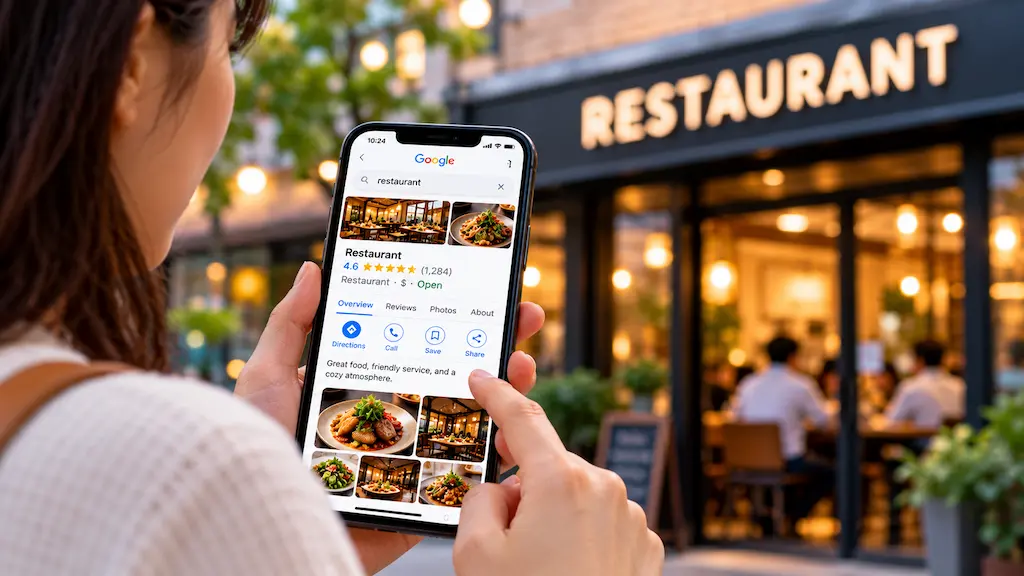
Google Reviews has become an important source of information for people deciding where to eat.
Before visiting an unfamiliar restaurant, potential customers may check its rating, read recent reviews, examine food photos, and compare it with other nearby options.
I have personally met first-time customers who explained that they had chosen our restaurant because of its high Google rating and positive reviews.
They had never eaten our food before, but other customers’ experiences gave them enough confidence to visit.
This illustrates an important distinction: online reviews can influence the decision to visit, but the actual dining experience determines whether that trust is justified.
A restaurant owner should pay attention to more than the average star rating.
The content of reviews often reveals what customers genuinely appreciate. They may repeatedly mention a particular dish, generous portions, friendly employees, or consistent food quality.
These details are valuable because they show what customers associate with the restaurant.
Keeping a Google Business Profile accurate is equally important. Opening hours, menu information, photos, and other essential details should reflect the actual business.
Restaurants can also invite customers to share honest feedback without pressuring them to leave positive reviews or offering incentives in exchange for favorable ratings.
The goal should not be to manufacture a perfect online image. It should be to allow genuine customer experiences to speak for the business.
Manage Your Reputation Without Chasing Every Review
Restaurant owners naturally appreciate positive reviews and may feel frustrated when they receive criticism.
However, managing a reputation does not mean trying to control every opinion.
No restaurant can satisfy every customer, and even well-managed businesses occasionally receive negative feedback.
What matters is recognizing patterns.
For example, one complaint about slow service may reflect an unusually busy day. But repeated comments about long waiting times could indicate a problem with staffing, kitchen organization, or order processing.
Similarly, frequent compliments about a particular menu item may reveal an important competitive strength.
I believe owners should regularly review customer feedback and ask three practical questions:
- What do customers consistently appreciate?
- What problems appear repeatedly?
- What can we improve without compromising our restaurant’s identity?
Responding professionally to customer concerns is important, but the larger objective is to use feedback to improve daily operations.
I discussed specific approaches to handling negative reviews in Blog #10. Here, the focus is broader: building a reputation through consistent improvement rather than reacting emotionally to individual comments.
A restaurant’s long-term reputation depends more on what it consistently delivers than on how it responds to any single review.
Your Online Reputation Must Match the Real Experience
A strong online reputation creates expectations.
When customers see attractive food photos, enthusiastic reviews, and high ratings, they naturally expect a satisfying experience.
This creates an opportunity, but also a responsibility.
Imagine a customer visiting because several reviews praise a particular dish. If the food looks and tastes as expected, the customer’s confidence is reinforced.
But if the actual dish is significantly different from the photos, or the quality falls short of what previous customers described, disappointment can follow.
The same principle applies to service, cleanliness, menu availability, and pricing.
I have always believed that a restaurant should avoid making promises it cannot consistently fulfill.
Professional photographs and marketing descriptions can attract attention, but they should represent the food and experience customers will actually receive.
This is particularly important when a restaurant becomes popular through online recommendations.
New customers may arrive with unusually high expectations. Maintaining the standards that generated those recommendations is essential.
The best way to protect an online reputation is to make sure the real experience continues to deserve it.
When Customers Become Your Most Effective Promoters
Over nearly 20 years of operating restaurants, I have witnessed countless examples of how a good reputation brings in new customers without relying on advertising or promotional campaigns.
Some first-time customers told us that a particular menu item had become popular within their social media groups. They had heard so many positive comments that they wanted to visit and try it themselves.
While waiting in the ordering line, I sometimes overheard customers telling their friends, “This is the dish everyone says you have to try.”
Others arrived with photos of our food saved on their phones. They did not always know the name of the dish, but a friend had strongly recommended it and told them they should not miss it.
Some customers explained that they had chosen our restaurant because of its high Google review rating.
On another occasion, a well-known public figure happened to visit our restaurant, enjoyed a particular dish, and shared the experience on Instagram. Later, new customers arrived mentioning that post and ordering the same item.
These were not isolated incidents. Similar experiences happened repeatedly over the years.
What made them particularly meaningful was that we had not invested heavily in advertising or special promotions to attract these customers. Their visits were largely driven by the experiences and recommendations of other people.
Of course, a recommendation alone does not guarantee a returning customer. Once someone arrives, the restaurant must deliver the food quality, service, and overall experience that created the positive reputation in the first place.
When those expectations are met, first-time visitors can become regular customers. Some eventually share their own experiences, introducing the restaurant to another group of potential customers.
This is how a strong restaurant reputation can become a powerful and sustainable source of new business.
Word of Mouth and the Power of Trust

Advertising allows a restaurant to communicate directly with potential customers. Word of mouth works differently.
Instead of hearing a message from the business itself, people hear about the restaurant from someone whose experience they may trust.
A recommendation from a friend, a food photograph shared in a social media group, or a detailed review from another customer can influence a decision to visit.
These recommendations are especially valuable because they often arise naturally from genuine satisfaction.
However, word of mouth does not always remain positive. Customers who have disappointing experiences may also share them with others.
This is why reputation management should never be separated from daily restaurant operations.
Every meal served and every customer interaction contributes to the impression people may carry beyond the restaurant.
In Blog #23, I discussed how customer retention grows through food quality, service, and personal relationships.
Reputation management is the next stage of that process.
Satisfied customers return, recommend the restaurant, and share their experiences. Those recommendations help new customers discover the business.
If the new customers are equally satisfied, the cycle continues.
Customer retention strengthens existing relationships. A strong reputation extends that trust to people who have not yet visited.
Building a Reputation That Lasts
A restaurant may receive attention after a popular social media post, an enthusiastic review, or a recommendation from a well-known person.
Such attention can bring new customers, but temporary popularity is not the same as a lasting reputation.
Long-term trust requires consistency.
Customers should be able to expect similar food quality and service whether they visit on a quiet afternoon or during a busy lunch rush.
That consistency does not happen automatically. It requires clear recipes, proper employee training, organized kitchen procedures, quality control, and service standards that everyone understands.
Protecting the Quality of Our Most Popular Dishes
One important lesson I have learned is that a popular menu item should not be allowed to lose its quality simply because demand increases.
In our restaurants, we require employees to follow standardized recipes carefully, especially for dishes that have become well known through customer recommendations.
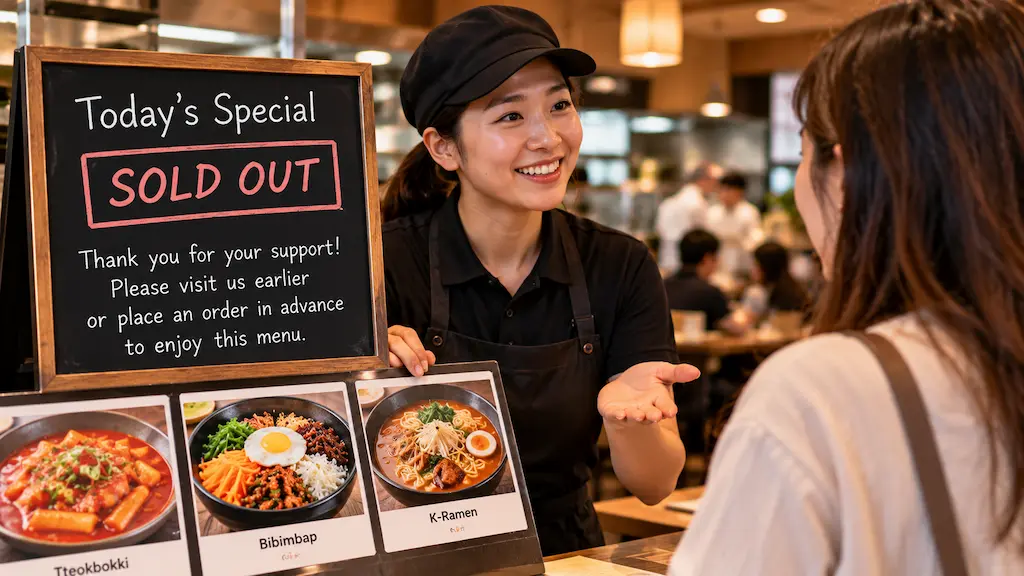
We also set appropriate daily sales limits for certain popular items. This helps us maintain consistent taste and quality, manage ingredients more effectively, and avoid compromising our standards during busy periods.
Of course, this sometimes means that customers arrive after a popular dish has sold out.
Rather than simply telling them that the item is unavailable, we explain the situation and encourage them to try it on their next visit. We may also suggest arriving earlier or placing an order in advance when that option is available.
What might initially seem like a disappointing experience can become another opportunity to build a positive customer relationship.
However, this approach only works when customers understand that the limits exist to protect quality, not to create artificial scarcity.
From my experience, protecting the quality of a popular dish is more important than trying to maximize its daily sales.
A restaurant’s reputation is built not only by making a dish popular, but by ensuring that customers can continue to trust its quality.
Consistency Requires Daily Attention
Owners should also pay attention to changing customer expectations and recurring feedback.
A restaurant does not need to change its identity every time someone makes a suggestion. However, it should be willing to correct genuine weaknesses and improve its operations.
From my experience, the most dependable approach is to focus on what the business can control every day:
- Maintain consistent food quality.
- Treat customers with genuine respect.
- Keep the restaurant clean and organized.
- Train employees to follow clear standards.
- Listen carefully to recurring customer feedback.
- Make improvements before small problems become larger ones.
These practices may not create immediate publicity, but they provide the foundation for lasting customer trust.
A strong reputation is not the result of one successful promotion or one excellent review. It is the accumulated result of many positive experiences delivered consistently over time.
Final Thoughts
A restaurant’s reputation is one of its most valuable long-term business assets.
Google Reviews, social media, and personal recommendations can introduce a restaurant to customers who have never visited. But the trust created by those recommendations must be supported by the experience customers receive.
Throughout my years in the restaurant business, I have seen how satisfied customers can become a powerful source of new business, often without expensive advertising.
The most important responsibility of an owner is not to chase recognition, but to maintain the food quality, service, and consistency that make the restaurant worth recommending.
A good reputation is not something a restaurant claims. It is something customers confirm through their experiences.
About the Author
The author has spent nearly 20 years opening and operating independent restaurants in Greater Vancouver, Canada. Rather than sharing theory, this blog series is based on real-world experience—successful openings, costly mistakes, operational improvements, and practical systems that help small restaurants achieve long-term success.